What Size Storage Unit Do You Actually Need? A Room-by-Room Guide
Sizing a Unit Without Guessing
The most common question we get is also the hardest to answer in the abstract: what size unit do I need? People want one number. The honest answer is that it depends on what you’re storing, how you’re packing it, and how often you need access.
That said, there are some good rules of thumb. This guide walks through them room by room so you can land on the right size first time. With over fifteen unit sizes available at both our Amberley and Ipswich facilities, there’s almost always something that fits properly.
How to Think About Sizing
Three principles save people from overpaying or undershooting:
Stack vertically, not just horizontally
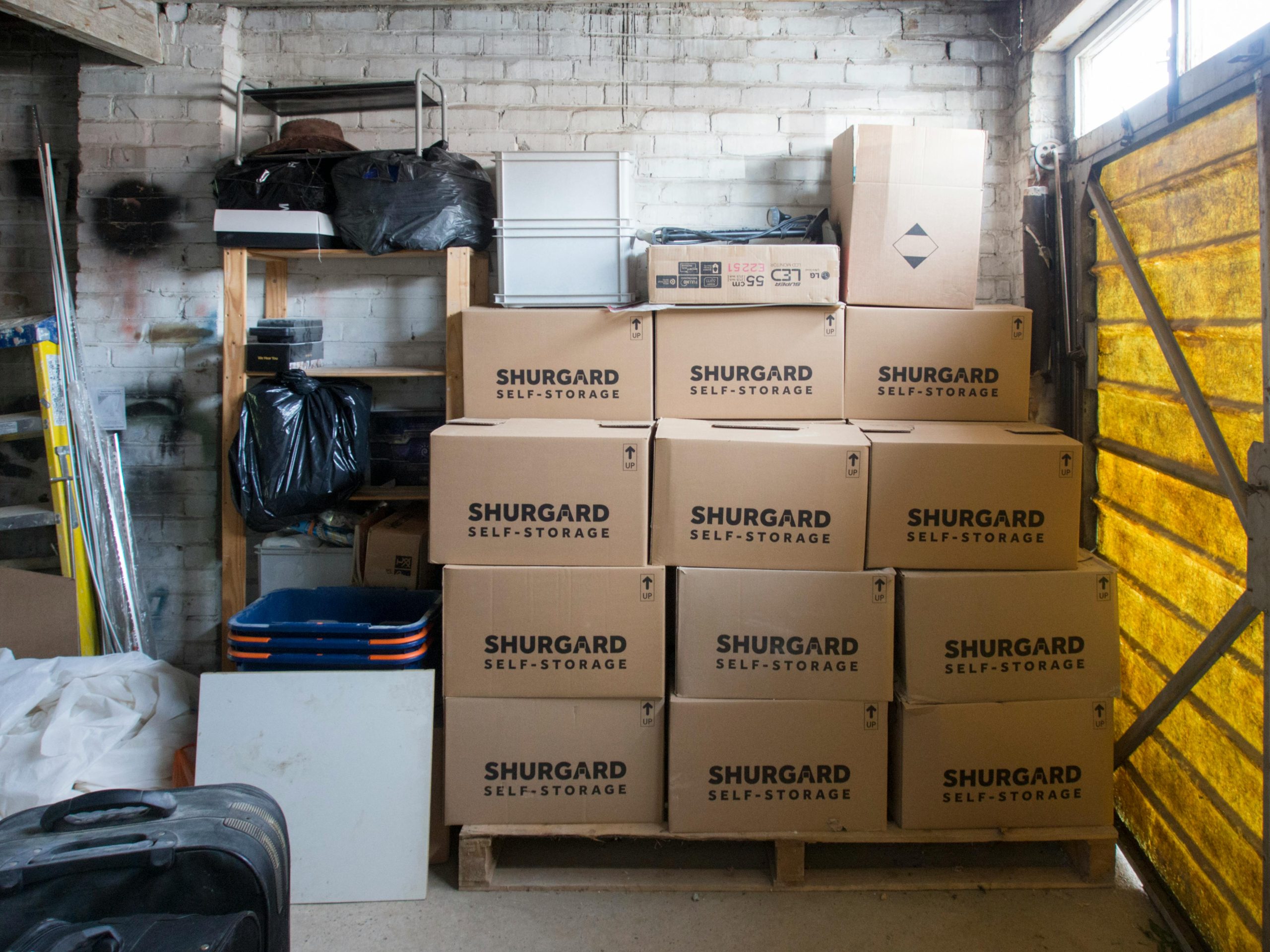
Cubic metres matter more than floor area. A unit that’s 2.5 metres tall doubles your effective space if you stack properly. Strong stackable boxes, shelving, or wardrobe boxes for clothing all help.
Leave an access aisle
Cramming a unit corner-to-corner means digging out everything to reach the back. Build in a narrow aisle down one side. You’ll thank yourself within a month.
Round up, not down
The price gap between one unit size and the next is usually small. The cost of having to upgrade later, or worse, leaving items at home that should have gone in, is bigger.
The Short Version
Sizing a unit isn’t guesswork. Build a list of what you’re storing, add a buffer for items you forget, and round up if you’re between sizes. Both our Amberley and Ipswich facilities stock over 15 sizes, and our team will tell you honestly whether a smaller unit will actually fit your goods.
Quick decision guide
Storing the contents of one room?
→ 1.5m x 1.5m or 1.5m x 3m
Bedroom or small lounge contents, with room for a few boxes alongside.
Renovating part of your home?
→ 3m x 3m
Kitchen or bathroom refit fits easily. Add a few boxes of contractor materials.
Moving the whole house?
→ 3m x 6m or larger
Three-bedroom contents and up. Plan ahead — these sizes book out faster.
Still unsure? Call us. We size units every day.
A Practical Room-by-Room Guide
| Unit size | Approx volume | Typical contents |
|---|---|---|
| 1.5m x 1.5m | 5–6 m³ | Small bedroom contents, boxed items, a few small pieces of furniture, garden tools |
| 1.5m x 3m | 11–12 m³ | One-bedroom unit contents: fridge plus washer plus small lounge plus boxes |
| 3m x 3m | 22–25 m³ | One-bedroom house or large unit: lounge suite, dining, appliances, boxes |
| 3m x 4.5m | 33–36 m³ | Two-bedroom house contents: beds, lounge, dining, appliances, modest box storage |
| 3m x 6m | 45–48 m³ | Three-bedroom house contents: full household furniture, appliances, garage items |
| 3m x 9m+ | 65+ m³ | Four-bedroom-plus, full house relocations, large business stock |
Approximate. Pack height, item shape, and access aisles all affect real-world fit.
Our space calculator refines the answer based on your actual inventory if you want a more exact recommendation. It takes about three minutes to work through.
Sizing By Use Case
A single piece of furniture or seasonal items
A 1.5m x 1.5m unit fits surprisingly more than expected. Boxes of decorations, a few small pieces, or a stack of folded chairs all work. Good for households just wanting to clear the seasonal items out of view.
A renovation overflow
For a kitchen or bathroom refit, a 3m x 3m unit typically handles boxed kitchen contents, a few pieces of furniture, and contractor materials. Add a fridge and a dining set and you might want to step up to 3m x 4.5m.
A whole-house move
For a three-bedroom home, plan on 3m x 6m. For a four-bedroom-plus, go larger. If you can disassemble bed frames and stack chairs, you save measurable space.
Business storage
For business storage, inventory shape matters more than household items. Boxes stack neatly. Display fixtures and odd-shaped products less so. Round up if you’re unsure.
Common Mistakes That Cost People Space
Five mistakes that come up repeatedly:
- Not disassembling bed frames or tables when possible
- Leaving boxes half-empty rather than consolidating
- Stacking heavy boxes on top of fragile ones
- Skipping a packing list, then over-buying boxes
- Choosing one size too small and trying to make it work
Our moving checklist and packaging guide cover the basics. If you’re starting from scratch, those are worth a read first. The hour you spend reading them is worth the half-day you’ll save during the actual move.
How to Use the Space Calculator
It’s straightforward. List what you’re moving, room by room. The calculator estimates a unit size based on your inventory. Treat the answer as a guide, not gospel. If your inventory includes a lot of odd-shaped items (musical instruments, exercise equipment, artwork), add a buffer.
When You’re Truly Between Sizes
Call us. The team can usually work it out in five minutes, and they’re upfront about whether a smaller unit will actually fit your goods. Sometimes the answer is to go smaller and accept tighter packing. Sometimes it’s to go larger for breathing room. We won’t push you toward the bigger unit unless it’s justified.
Ready to Lock It In?
You can book online at Ipswich or book online at Amberley, or contact us for help sizing. Either way, getting it right first time saves the awkward upgrade later.